RTK Logistics.
How to present complex freight so a buyer can understand capability, inspect evidence and provide the inputs needed for a workable quote.

Not a list of services. A way to qualify a difficult shipment.
In heavy logistics, “we transport oversized cargo” tells a buyer very little. They need to understand the types of jobs, geography, evidence of real operations and the inputs required for a meaningful quote.
What changed
1. Put oversized freight at the centre
The homepage and navigation prioritise the service with the most complex buying decision. Multimodal freight and standard full-truckload services remain distinct without diluting the primary offer.
2. Separate commercial landing pages
Each major transport problem gets its own page and search context, improving buyer comprehension and search architecture.
3. Use operational evidence
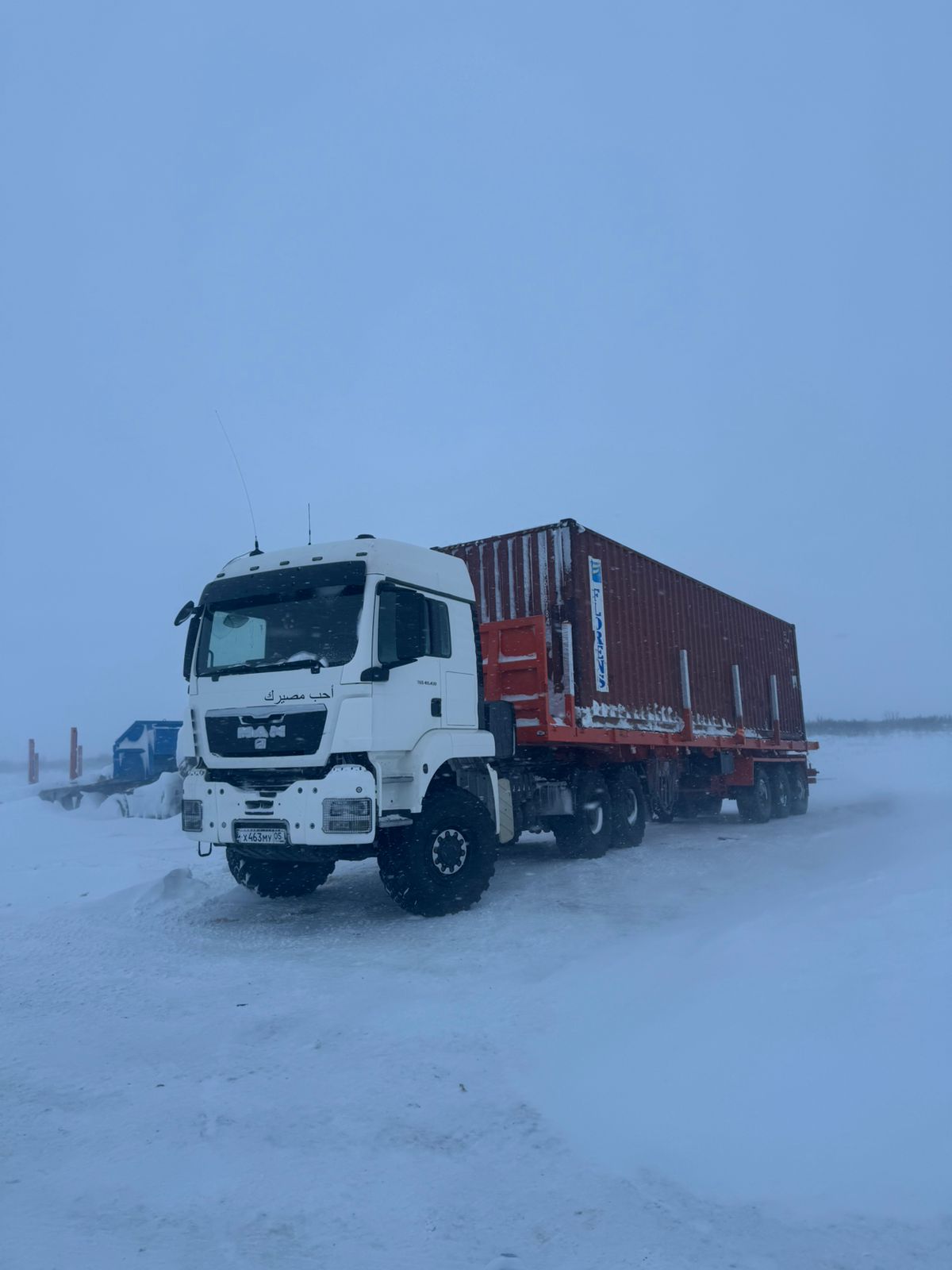
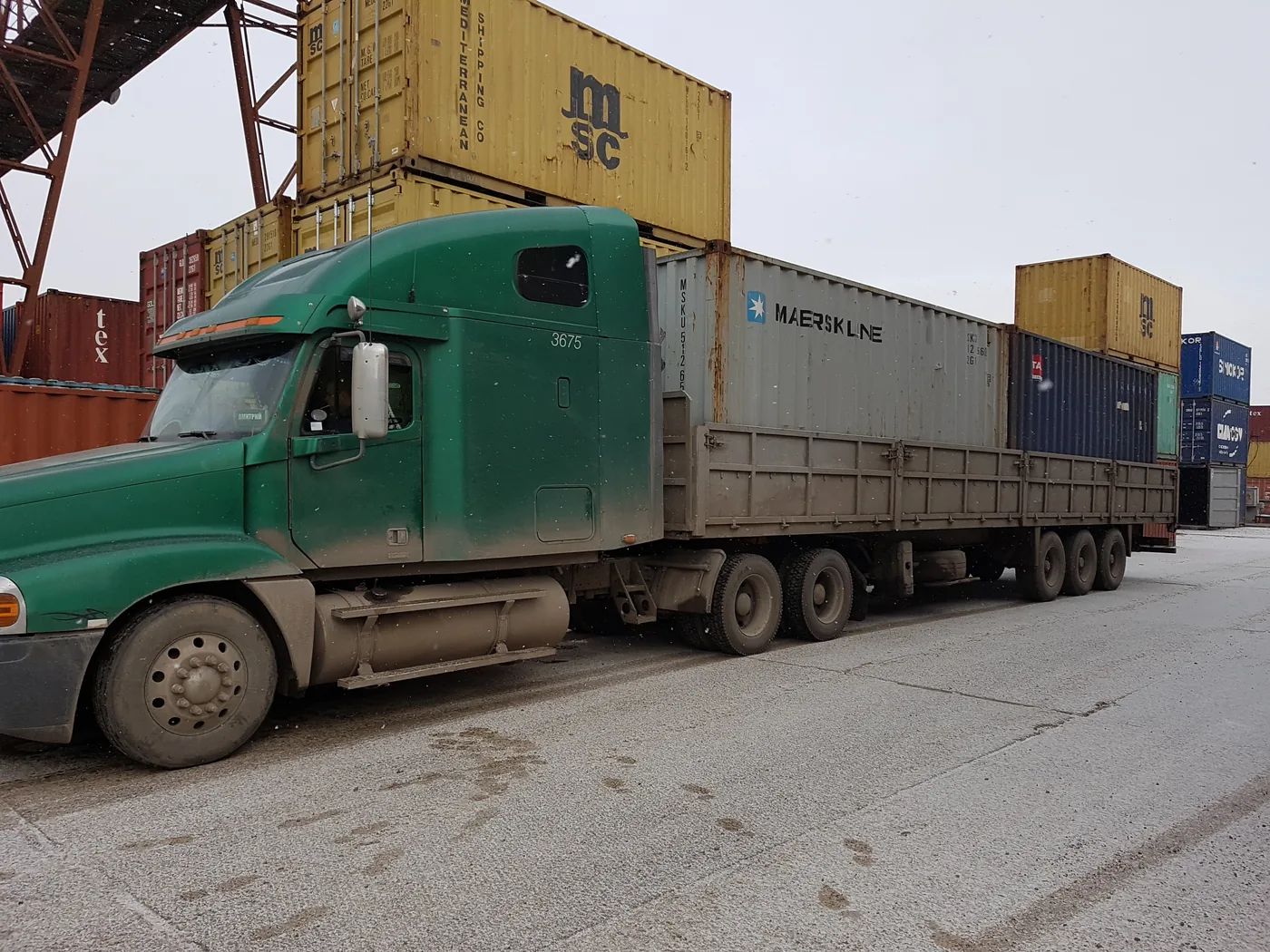
Real transport photography, cases and operating detail replace generic claims — including winter and remote-region operations.
4. Make the inquiry part of qualification
The website guides buyers towards the inputs needed for scoping: cargo, dimensions, route, timing and operating constraints.
5. Build an SEO / AI Search foundation
Distinct intent pages, clear service entities, internal links and content around real buyer questions create a stronger base for classic search and AI discovery.